
Identifying Your Target Audience as a Small Business Owner
Written by Patrick Kurowski
Updated Monday, October 5th, 2026
Knowing your target audience is one of the most important parts of digital marketing for a small business owner, and it is also one of the most misunderstood. Most owners can describe their ideal customer in a sentence. Far fewer know the exact words that customer types into Google when they need help.
Since 2016, MarketKeep has worked with small businesses across a wide range of industries, helping them understand who their target audience is and how to connect with those people online. That has meant a plumber in Baltimore County trying to book more drain repairs, and a Catholic elementary school trying to fill its preschool and kindergarten classes. In every case, the goal is the same: put the business in front of the right customers at the moment they search.
Why Your Target Audience Doesn’t Search the Way You Talk
Here is something I have always found interesting. As small business owners, we get so used to the language of our own industry that we forget our customers don’t live in it every day. The terms we use on job sites, in staff meetings, and with suppliers are often not the terms people use when they search for the services we offer.
When your website, Google Business Profile, and ads are built around your vocabulary instead of your customers’, you can have a great service and still be invisible to the people looking for it. Two of our client projects show how this plays out.
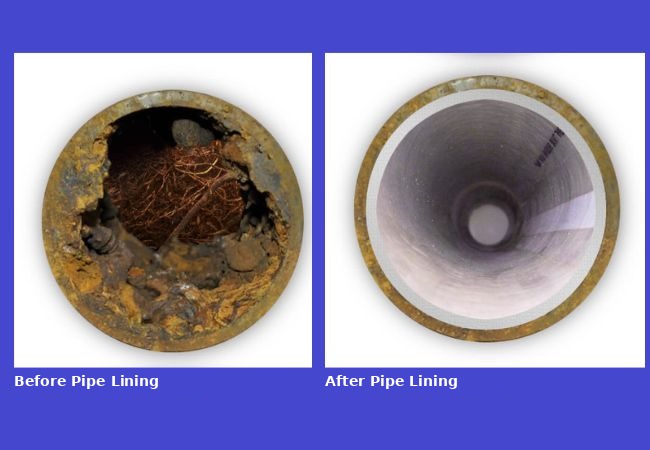
How Homeowners in Harford and Baltimore County Search for Drain Repair
Five Star Plumbing is a plumber based in Joppa, Maryland, serving residential and commercial customers throughout Harford and Baltimore County. One service the owner wanted to promote was trenchless pipe lining: placing a new liner inside an existing drain pipe so the homeowner does not have to dig up and replace the whole line. For many homes, it repairs a damaged drain at a fraction of the cost of a full replacement.
The problem was that he was the only one using that term. Homeowners who needed the service were not searching for “pipe lining.” They were searching for things like:
- clogged drain that keeps coming back
- gurgling drains
- water not draining properly
He knew exactly what those homeowners needed, but they had no idea what the service was called. If his website only talked about pipe lining, it would miss most of the people who were a perfect fit for it. The fix was to describe the service in the homeowner’s words first, then explain the technical solution.

“Early Education” vs. “Preschool Near Me”: A Baltimore Catholic School Example
Here is one most parents will recognize. MarketKeep works extensively with Catholic elementary schools in the Archdiocese of Baltimore, helping them plan, place, and optimize their digital marketing. Internally, the schools had been using the term “early education” to describe their Pre-K 3 and Pre-K 4 programs.
When we looked at Google Search Console and Google Keyword Planner, the data told a different story. In Baltimore County, “preschool” draws about 390 searches a month, compared with about 260 for “early childhood education.” And families were using simple, everyday phrases like these:
- preschool near me
- pre-K classes
- pre-K and kindergarten schools
The programs were exactly what these parents wanted. The pages just needed to speak the parents’ language so they could find them.
Once the school pages were updated to use the terms families actually search, the results showed up in Google Business Profile. One school’s profile earned 3,019 interactions from June through September 2026, climbing to 1,336 in September alone as families searched for schools heading into the new year.
If you suspect your website has the same problem, a free SEO evaluation will show which terms your customers use and whether your pages match them.
Defining Your Small Business Target Audience: Who, Where, and Why
Before you can match your customers’ words, you need a clear picture of who those customers are. Your target market is everyone who could buy from you. Your target audience is the narrower group you actually aim your marketing at, the people most likely to need you right now.
For most local service businesses, four questions define that group:
| Question | What to Look At | Example |
|---|---|---|
| Who are they? | Age range, life stage, homeowner or renter, household or business | Parents of 3 and 4 year olds |
| Where are they? | The towns, ZIP codes, and service area you actually serve | Homeowners in Harford and Baltimore County |
| What problem do they have? | The moment that sends them searching | A drain that keeps backing up |
| How do they decide? | Price sensitivity, urgency, research habits | Comparing reviews before calling |
Write the answers down as a short description of one real customer. That simple profile, sometimes called a buyer persona, keeps your website copy, ads, and social posts aimed at the same person. And treat it as a living document: as your business and your market change, your target audience will too.
Using Keyword Research to Find the Words Your Target Audience Searches
So how do you close the gap between your language and your customers’? It comes back to keyword research. Using the right keywords puts you in front of your target audience at the exact moment they are looking for a service you offer.
Start With Google Keyword Planner
Spend time in Google Keyword Planner entering each service you offer. Look at the related searches it suggests and how often people use each one. You will quickly see which phrases real customers use and which ones only exist inside your industry. Our keyword research library has ready-made keyword lists for dozens of service industries if you want a head start.
Listen to How Customers Describe Their Problem
Some of the best keyword research is already sitting in your inbox. Pay attention to the words people use in contact forms, phone calls, and first appointments. If customers keep saying “my drain is gurgling,” that phrase belongs on your website.
Look at Competitors Who Rank Well
You can also learn from competitors who already show up at the top of search results. One simple trick I can’t stress enough: type site: followed by a competitor’s website address into Google (for example, site:competitorwebsite.com). You will see the pages Google has indexed for that business, which shows you how they name and organize their services, and what wording is working for them in your market. For a deeper walkthrough, see our guide to finding your competitors’ keywords.
Free Google Tools That Show Who Your Target Audience Really Is
Once your website is live, Google gives you free data about the people already finding you. Each tool answers a different question:
| Tool | What It Tells You About Your Target Audience |
|---|---|
| Google Search Console | The exact search terms people used before clicking to your website, and which pages they landed on |
| Google Business Profile Performance | The searches that led people to your business on Google Search and Maps, plus calls, direction requests, and website clicks |
| Google Analytics 4 | Which page visitors view, where they are located and, with Google Signals turned on, their general age range and interests |
Together, these tools show you the search terms people use, the general demographics of your website visitors, the pages they care about, and where they are coming from geographically. That is a clearer picture of your target audience than any guess.
Check them once a month. When a new phrase starts showing up in Search Console or your Business Profile, it is often a sign your customers are describing their needs in a new way, and your website should follow. Not sure how to read these reports? We walk through them with you during a free SEO evaluation.

A Catholic school’s Google Business Profile: total interactions from June to September 2026, and some of the searches families used to find it.
Target Audience FAQs for Small Business Owners
What is the difference between a target market and a target audience?
Your target market is everyone who could use your product or service. Your target audience is the smaller, specific group you focus your marketing on, such as homeowners in two counties with a recurring drain problem.
How often should I revisit my target audience?
At least once a year, and any time you add a service, expand your service area, or notice new search terms in Google Search Console. Customer language changes over time, and your marketing should keep up.
Can a small business have more than one target audience?
Yes. A plumber may serve both homeowners and commercial property managers, and a school may market to parents of preschoolers and parents of middle schoolers. Give each group its own page or message instead of trying to speak to everyone at once.
Get Help Finding Your Target Audience
If you want help figuring out who your target audience is and what they search for, MarketKeep offers a free SEO evaluation. We walk through your website with you and show you what it will take to reach the top of Google Maps, the first page of search results, and AI search results too. Along the way, you will get a much clearer picture of exactly who your customers are and how they look for you.

